中国、日本与二战新叙事
World War II narratives, up for grabs
二战叙事,尚待争夺。
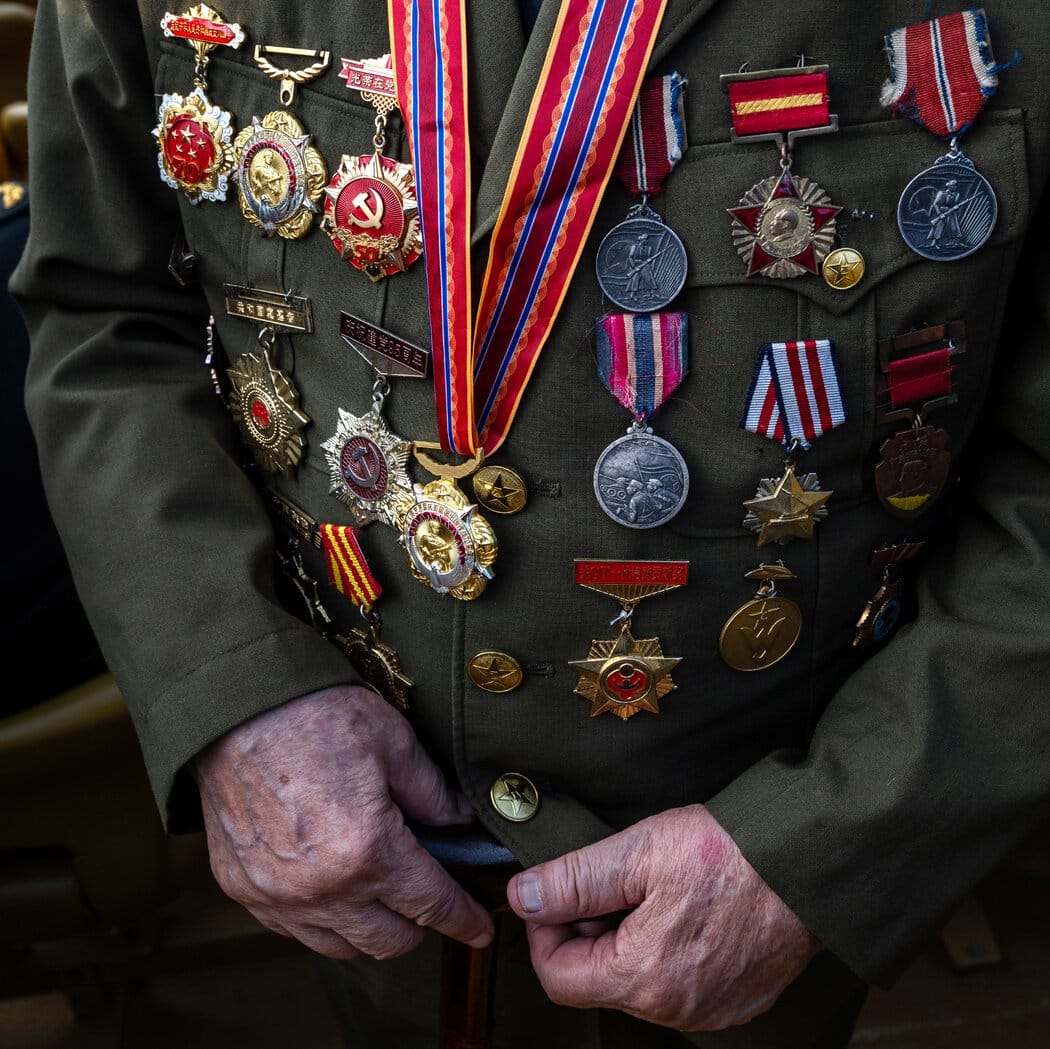
In September, China held a military parade to commemorate the 80th anniversary of the end of World War II. Cannon fire, fighter jets, missiles and goose-stepping troops filled Tiananmen Square in a display of military might and expanding global influence.
今年9月,中国举行了纪念第二次世界大战结束80周年阅兵仪式。礼袍鸣响,战机、导弹和踏着正步的军队在天安门广场亮相,彰显着军事力量和不断扩大的全球影响力。
Also on display was a particular narrative of the war, one that assigns China a central role in the victory against Nazi Germany and imperial Japan. In this version, as China’s president, Xi Jinping, put it at the time, Beijing and Moscow were the “main victors.”
同时传递的还有一种关于二战的具体叙事,将中国塑造成战胜纳粹德国和日本帝国的核心力量。在这个版本中,如中国国家主席习近平当时所言,北京与莫斯科是“主要战胜国”。
Since then, China has repeatedly invoked World War II — in Xi’s phone call with Trump, but also in interactions with European officials. The language always centers on defeating fascism and protecting the outcomes of the war. But the implicit message is that Japan, which recently made clear that it would intervene militarily if Taiwan were attacked, is a historic aggressor that should be regarded warily.
此后中国屡次援引二战历史,不仅出现在习近平与特朗普的通话中,也出现在与欧洲官员的互动里。其论述总是以打败法西斯主义和保护战争成果为中心。但其中隐含的信息是,日本是历史上的侵略者,应该被警惕对待——日本最近明确表示,如果台湾受到攻击,它将进行军事干预。
Every country has its own story of the Second World War. But it is largely Western stories about the war — who won, what it was about and what its lessons are — that have shaped the postwar order.
每个国家都有自己的二战叙事。但塑造战后秩序的主要是西方对这场战争的叙事——谁获胜了,为什么而战,以及教训是什么。
Today, that order is breaking down. And countries like China, as they gain prominence and power, are using some of that power to put forward their versions of this history — with potential implications for whatever world order emerges next.
如今,这种秩序正在瓦解。随着中国等国家地位和实力的增强,它们正在利用部分力量来提出自己的历史版本——这可能影响未来世界秩序的走向。
‘A war like no other’
“无与伦比的战争”
Why do narratives about World War II still have so much power? As the historian Antony Beevor put it to me, “the Second World War was a war like no other,” and yet for many people, paradoxically, it’s “the definition of war itself.”
为什么关于第二次世界大战的叙事至今仍然有这么大的影响力?正如历史学家安东尼·比弗对我说的那样,“第二次世界大战是一场无与伦比的战争”,但对许多人来说,矛盾的是,它成了“战争本身的定义”。
Countries around the world all experienced the same event. But they did not experience it the same way. All these individual narratives have never really been reconciled into one, Beevor said. Now that the balance of power in the world is shifting, we’re seeing more competition about whose story takes prominence.
世界各国都经历了同样的事件。但方式各不相同。比弗说,所有这些各自的叙述从未真正融合为一体。如今随着世界力量格局变迁,我们看到争夺历史话语主导权的竞争愈发激烈。
For the countries that defeated Nazi Germany and its allies, including Japan, the war was an epic battle of good against evil. These countries liberally evoke that history in regular commemorations and in school curriculums to rally people to the flag.
对于那些打败纳粹德国及其盟友(包括日本)的国家来说,这场战争是一场史诗般的正义与邪恶之战。这些国家在定期纪念活动和学校课程中大量讲起这段历史,将人们团结在国旗之下。
The countries defeated in the war have more complicated relationships to that history, but it still defines them. Germany’s postwar identity has been largely about atonement. In Japan, questions of whether the country has apologized enough and should formally abandon the pacifist stance it was forced to adopt after the war are live subjects in contemporary politics.
战败国与那段历史有着更为复杂的关系,但也仍然定义着这些国家。德国战后的身份认同在很大程度上与赎罪有关。在日本,国家是否已充分道歉、是否应该正式放弃战后被迫采取的和平主义立场仍是当代政治中的热点议题。
Germany and Japan have still been an integral part of the West’s prevailing story about World War II, because they became integral to America’s postwar system of alliances. By contrast, the Soviet Union, which lost some 24 million lives in World War II, and China, where about 20 million died, have not always featured as prominently in many Western accounts.
德国和日本仍然是西方关于第二次世界大战的主流故事中不可或缺的一部分,因为它们成为美国战后联盟体系的组成部分。相比之下,在二战中失去约2400万人的苏联和约2000万人的中国在许多西方报道中并不总是占据突出地位。

Russia has long made the case that it deserves more credit for its sacrifices on Hitler’s eastern front. China’s latest push to have its role in the war upgraded is reminiscent of this effort, although many historians believe Chinese nationalists, who eventually retreated to Taiwan, played a bigger role in World War II than the communists.
俄罗斯长期以来一直认为,它在希特勒的东线战场上做出的牺牲更值得赞扬。中国近期推动提升其在战争中的历史地位,与俄方诉求相呼应——尽管许多史学家认为,最终退守台湾的中国国民党在二战中发挥的作用大于共产党。
This isn’t just an intellectual exercise. Battles about history are always about shaping the present.
这不仅仅是纯粹的学术讨论。关于历史的争论总是关于如何塑造现在。
New story, new order
新故事,新秩序
Western countries have often used World War II references that suited them: The Bush administration compared Sept. 11 to Pearl Harbor, and likened Saddam Hussein to Hitler. One pro-Brexit campaigner likened leaving the European Union to evacuating British soldiers from Dunkirk, France.
西方国家经常使用适合自己的二战典故:布什政府把9·11事件比作珍珠港事件,把萨达姆·侯赛因比作希特勒。一位支持英国脱欧的活动人士将离开欧盟比作英国士兵从法国敦刻尔克撤离。
China is invoking World War II with Western leaders because it’s trying to shift their understanding of Japan to something that looks more like China’s: Japan as a country with a history of aggression that’s a potential threat to its neighbors.
中国对西方领导人援引第二次世界大战,是在试图让他们对日本的认知向中国版本靠拢:日本是一个有侵略历史的国家,对邻国构成潜在威胁。
It’s part of a broader push to eventually reclaim Taiwan, justified, in part, by Chinese ideas about what it’s owed for its sacrifices during the war. Russia, which refers to World War II as the Great Patriotic War, deliberately invokes the war when it talks about “denazifying” Ukraine.
这属于更宏大的战略布局,旨在最终收复台湾。在某种程度上,中国认为自己在战争中做出了牺牲,理应得到回报。俄罗斯将第二次世界大战称为卫国战争,在谈到乌克兰“去纳粹化”时,也特意援引了那场战争。
The story underpinning the American-led postwar world order, Beevor told me, was one in which America liberated Europe from fascism and gave it liberal democracy and free market capitalism. From that sprang international institutions (and military interventions) that purported to promote democracy and free trade.
比弗告诉我,支撑美国领导的战后世界秩序的叙事是,美国将欧洲从法西斯主义手中解放出来,并赋予欧洲自由民主和自由市场资本主义。由此产生了旨在促进民主和自由贸易的国际机构(以及军事干预)。
But China sees World War II as part of a longer struggle against Japanese imperialism that would end with the reunification of mainland China and Taiwan — a promise that, from China’s perspective, has yet to be fulfilled. From this story springs a whole different set of assumptions about what the world should look like, he said, from what “sovereignty” means to how other countries should respond to a Japan that is rearming.
但中国将第二次世界大战视为对抗日本帝国主义的长期斗争的一部分,最终应以中国大陆和台湾的统一而告终——从中国的角度来看,这一承诺尚未实现。他说,从这个叙事中,衍生出一套截然不同的世界观假设,从“主权”的定义到其他国家应该如何应对日本的重新武装。
The stories around World War II are shifting. But 80 years on, the war itself remains central to many national identities. We’re now heading into the post-postwar era. Our arguments about World War II are coming with us.
关于第二次世界大战的故事正在转变。但80年过去了,这场战争本身仍然是许多国家认同的核心。我们正在进入战后时代,而关于第二次世界大战的争论一直伴随着我们。
Related: In an interview at the DealBook Summit, Taiwan’s president warned that China was stepping up its campaign of intimidation against the island.
相关报道:在DealBook峰会的访谈中,台湾总统警告称中国正加剧对该岛的威慑行动。